
Feels like paper. Holds up like fabric.
People often take Tyvek for paper on first touch, but there's no wood pulp in it. It is made from fine high-density polyethylene fibres bonded into a sheet, which is why it feels like paper yet resists tearing and shrugs off splashes.
Recyclable where flexible HDPE is collected
Feels like paper, barely tears
Spills bead off. Not waterproof
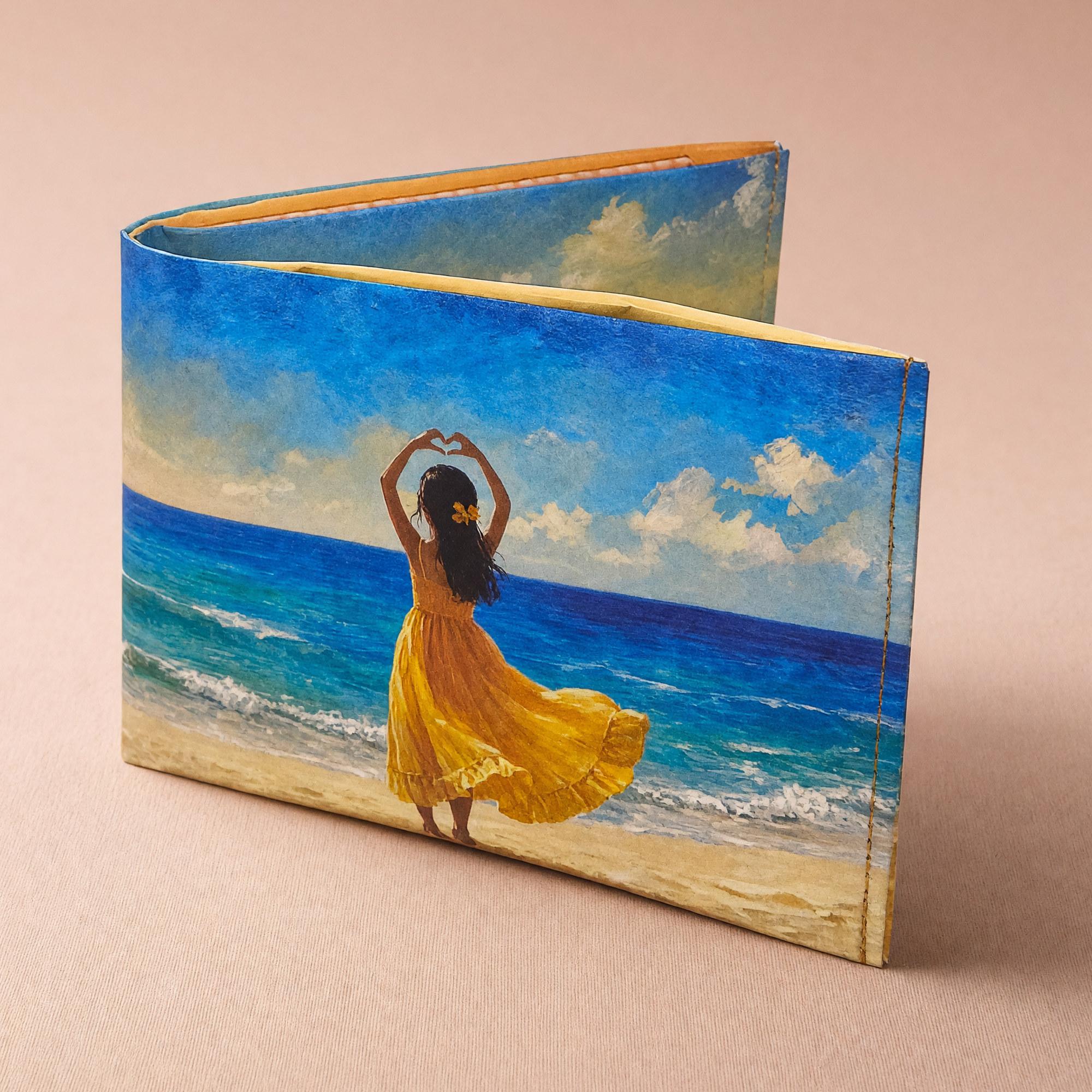
Recommended tyvek wallets
Free shipping to Singapore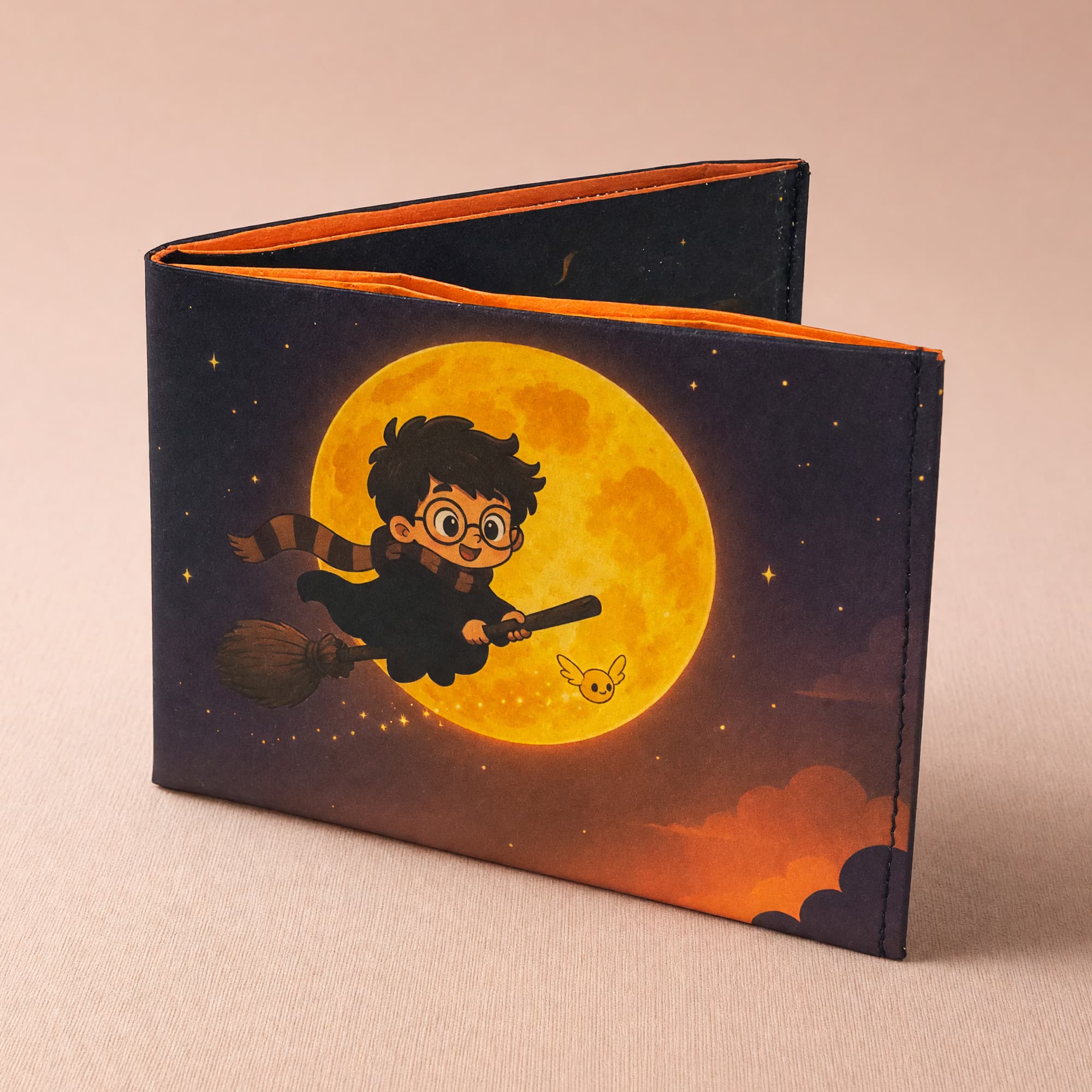
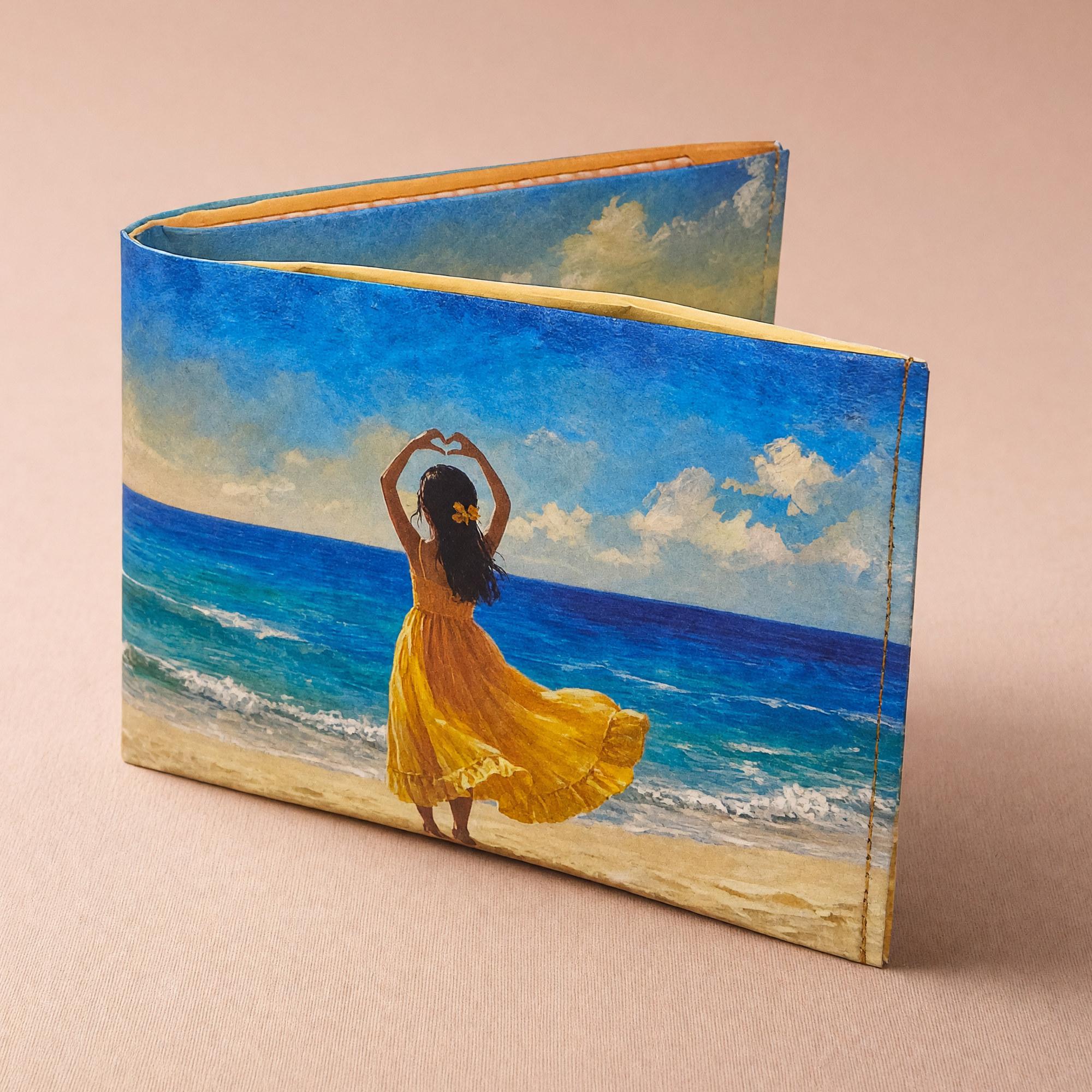
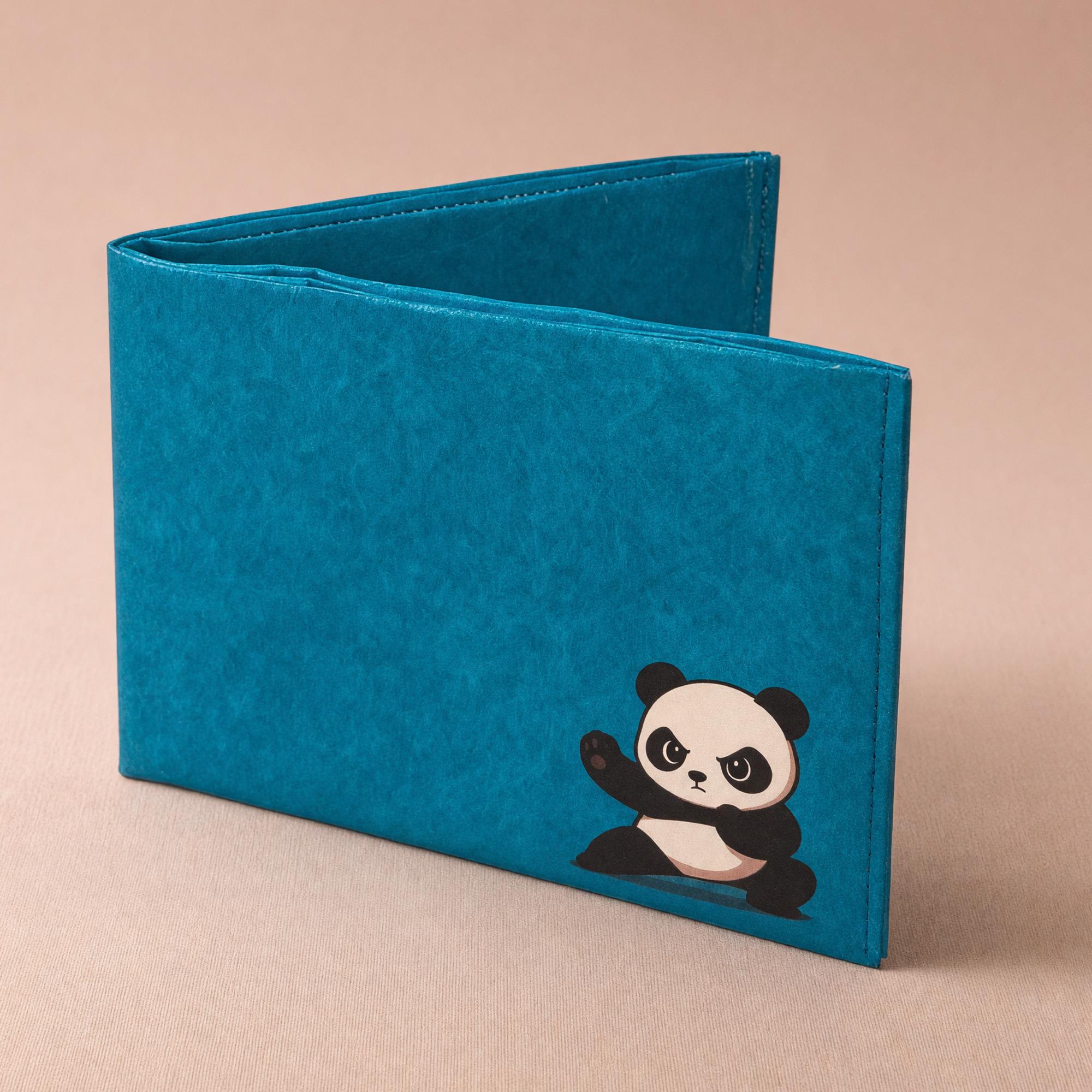
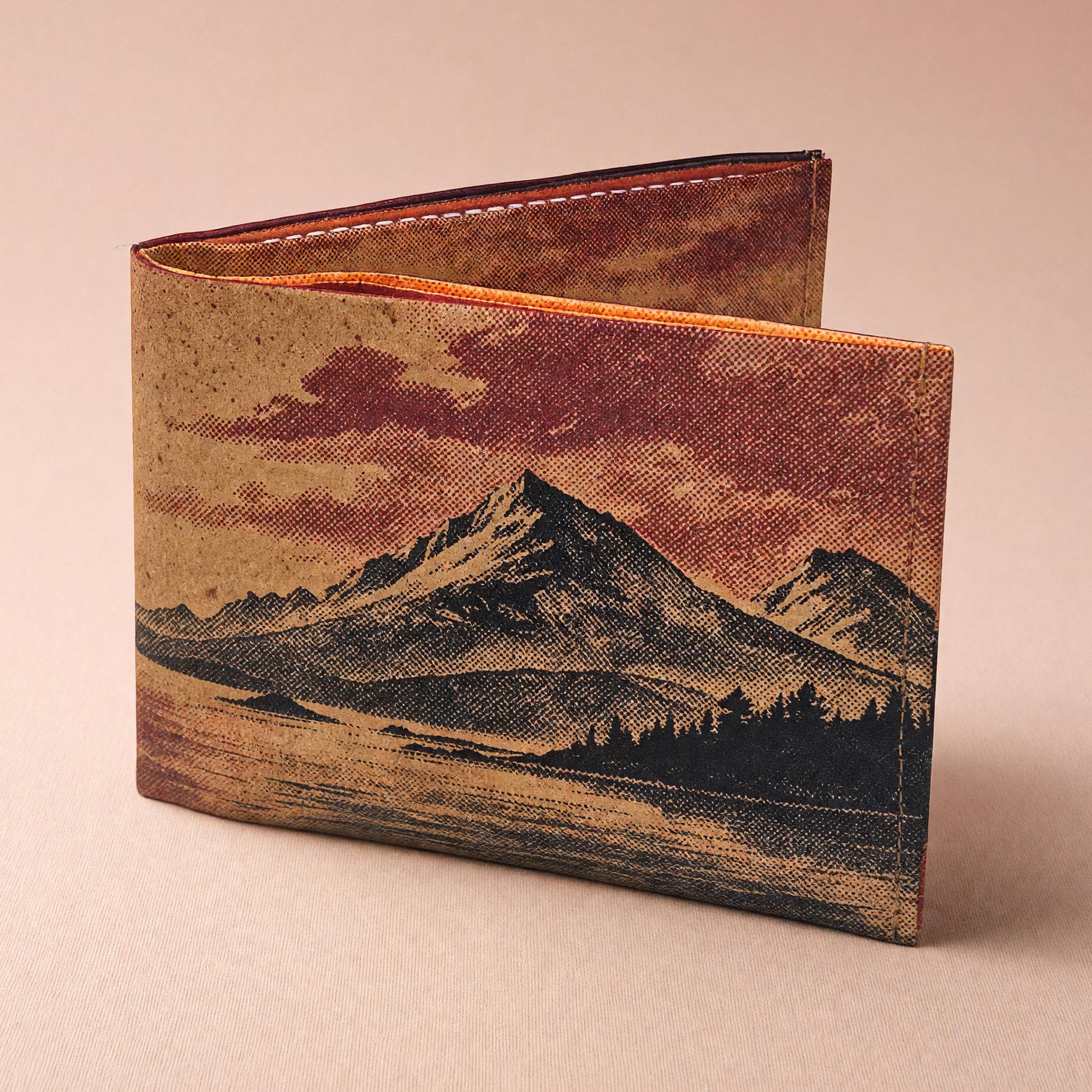
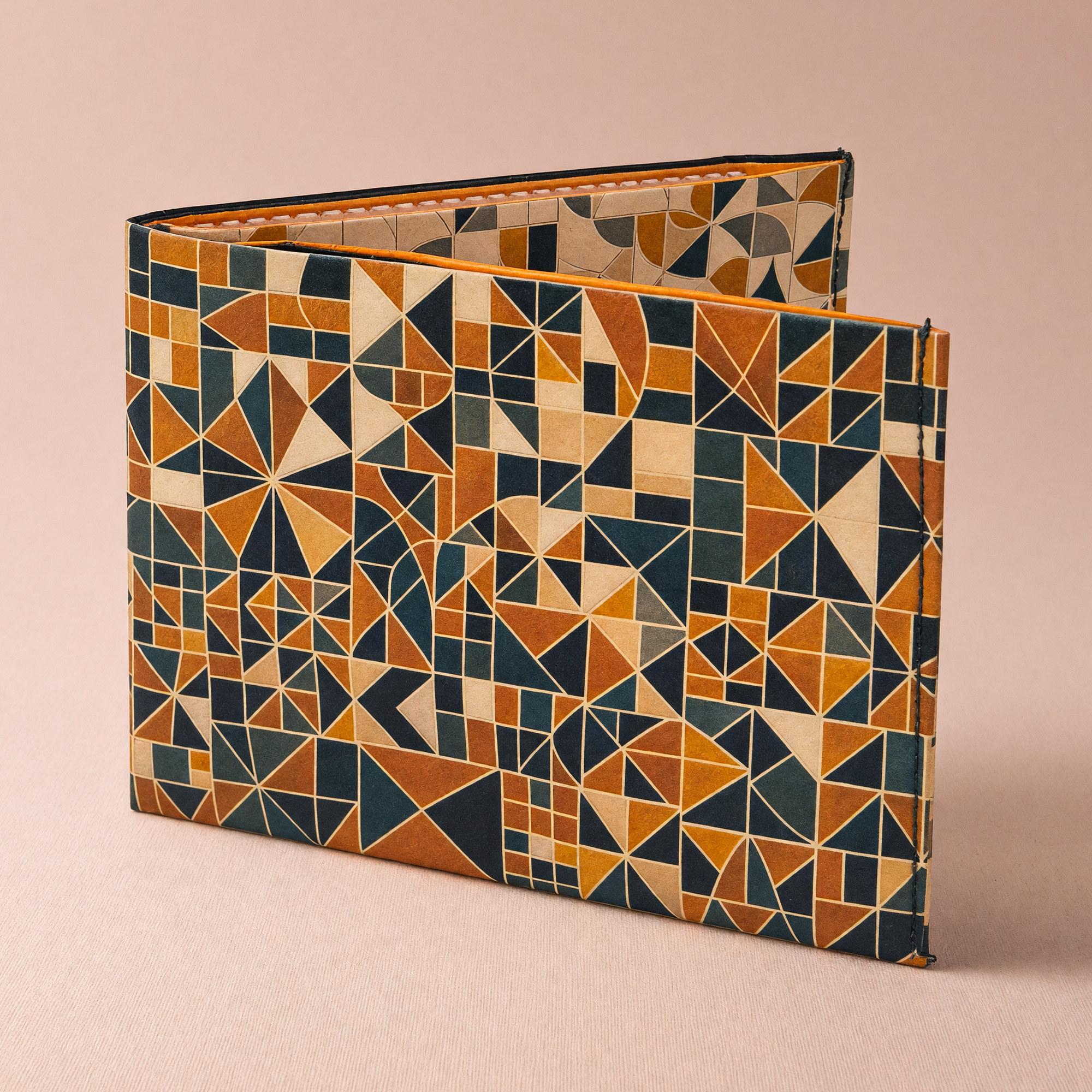
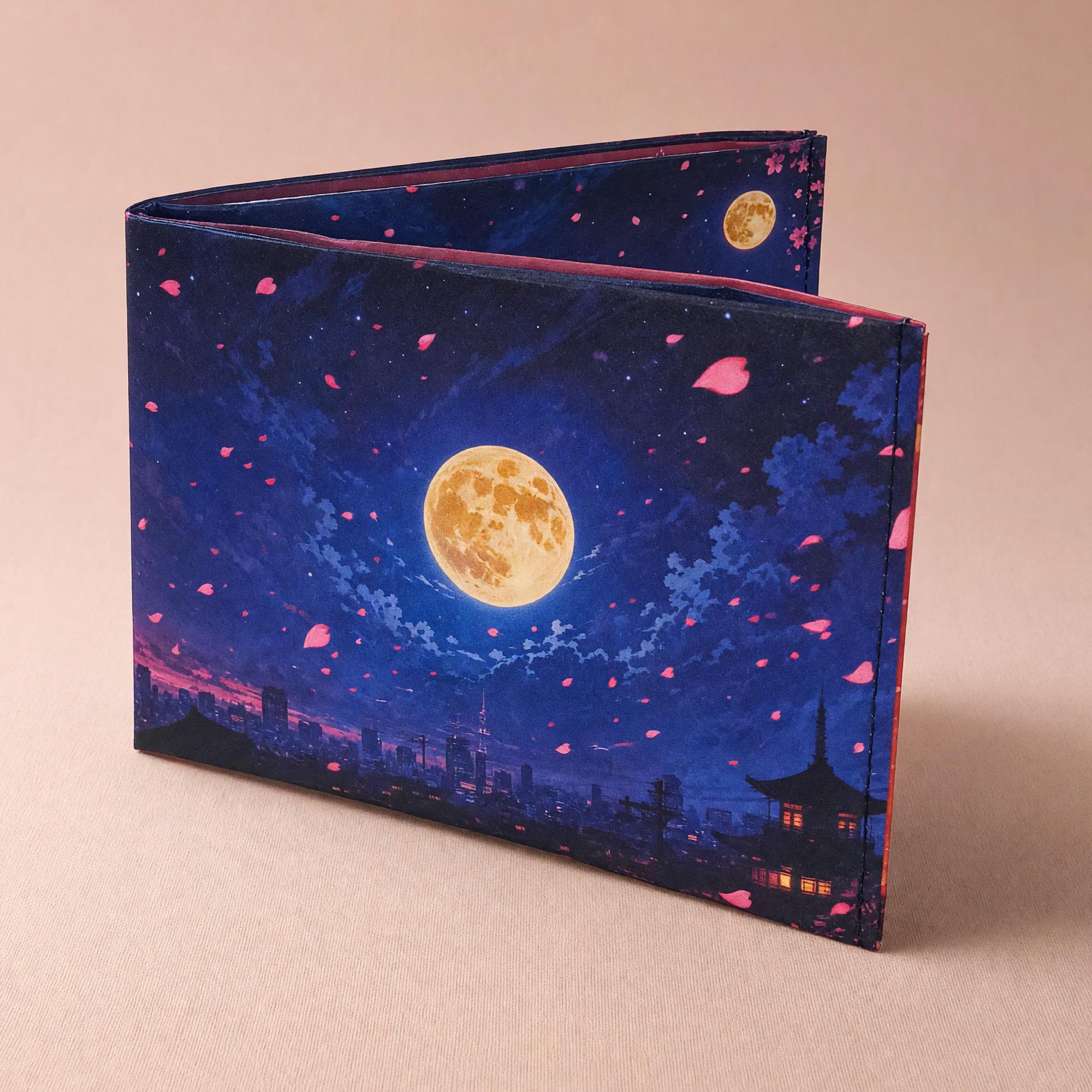
How Pocketeer compares against traditional wallets
| Feature | Pocketeer Tyvek Bifold | Typical Alternative |
|---|---|---|
| Vs. paper | Tear-resistant and water-resistant | Paper tears, and goes soft when wet |
| Vs. PU faux leather | No coating pretending to be leather | PU coatings can crack and peel with wear |
| Recycling | The Tyvek sheet is HDPE (#2 plastic) | Leather and glued composites are hard to separate |
Common questions
Will a Tyvek wallet tear?
It's made not to. Tyvek is used for building wraps, protective coveralls and envelopes because its fibres resist tearing.
Is the whole wallet recyclable, or just the sheet?
Just the sheet, to be exact. The Tyvek is HDPE and recycles where flexible polyethylene is collected, but the finished wallet also has thread, an RFID-blocking layer and a Dual Lock strip.
Can it handle rain or spilled coffee?
Yes. Tyvek is water-resistant, so splashes bead off. It isn't waterproof, because the seams are stitched, so don't submerge it.